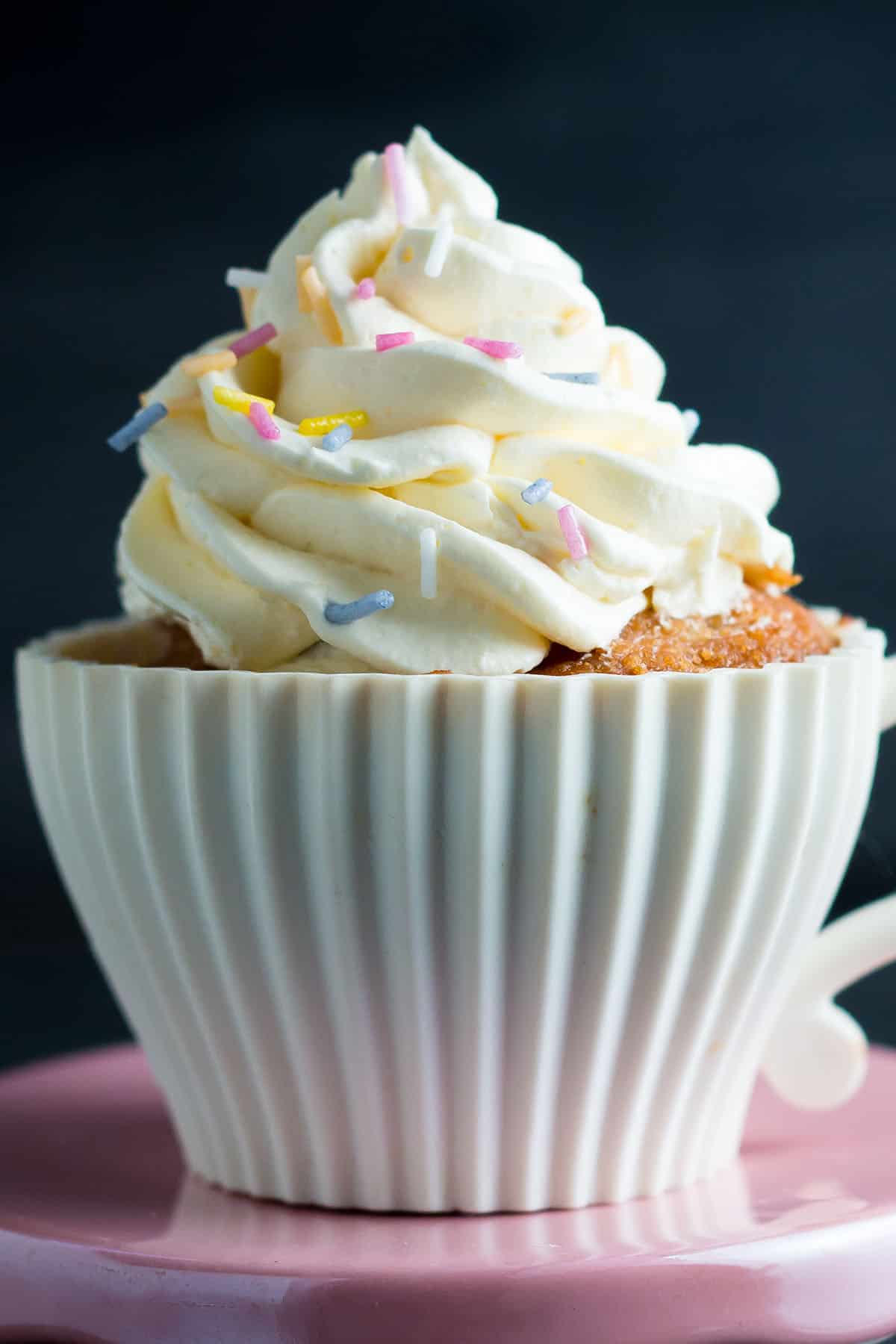
Elevate Your Baking: Easy Buttercream Beats Store-Bought & Hard Recipes
Imagine a frosting so sumptuously smooth, so exquisitely creamy, and perfectly balanced in sweetness that it transforms your humble baked goods into show-stopping masterpieces. Now, imagine achieving this professional-level perfection without the fuss, the fear of raw eggs, or the cloying sweetness of store-bought tubs. This isn't a dream; it's the reality of an easy buttercream frosting that's poised to become your new favorite.
For too long, home bakers have settled for overly sweet, grainy frostings or shied away from complex techniques like traditional meringue-based buttercreams. But what if there was a simple path to a luxurious, stable, and incredibly delicious buttercream that tastes remarkably similar to its sophisticated Swiss meringue cousin, yet skips all the tedious heating and cooling steps? Get ready to ditch the store-bought disappointments and complicated recipes, because this guide will unlock the secrets to a truly superior homemade frosting that anyone can master.
Why This Easy Buttercream Frosting Will Change Your Baking Game
The quest for the perfect frosting often ends in one of two places: the bland, artificially flavored realm of pre-made tubs, or the intimidating territory of advanced pastry techniques. This revolutionary easy buttercream frosting offers a blissful third option, marrying convenience with unparalleled quality. Here’s why it stands head and shoulders above the rest:
- A Taste Revelation: Forget the sugary grit and artificial aftertaste of supermarket frostings. This homemade version is smooth, rich, and boasts a depth of flavor that complements your baked goods rather than overpowering them. Its balanced sweetness is a refreshing change, allowing the true flavors of your cake or cupcake to shine through.
- Professional Finish, Home Kitchen Simplicity: Experienced bakers often gravitate towards Swiss Meringue Buttercream (SMBC) for its silky texture, stability, and less sweet profile. This easy buttercream frosting delivers nearly identical results in taste and texture, but dramatically simplifies the process by eliminating the need to cook and cool egg whites. It’s the kind of frosting that professionals wish they had when they were whipping up dozens of cakes a week!
- Unrivaled Versatility: Whether you're aiming for elegant piping work, a sturdy base under fondant, a luscious cupcake swirl, or simply a smooth, even crumb coat, this buttercream is up to the task. Its stability and workability make it a dream for decorators of all skill levels, ensuring your creations look as good as they taste.
- Superior Texture: Unlike some traditional American buttercreams that can feel heavy or greasy, this frosting achieves a light, airy, and creamy consistency. Many describe its delightful mouthfeel as akin to a velvety ice cream – a far cry from the dense, cloying frostings you might be used to.
This frosting isn't just an improvement; it's a complete game-changer that empowers you to create bakery-quality treats right in your own kitchen, without the stress or the mess.
The Secret Ingredient: Unleashing the Power of Pasteurized Egg Whites
The concept of eggs in frosting might initially raise an eyebrow for some home bakers, but it's a cornerstone of classic European buttercreams. Types like Swiss, Italian, and French meringue buttercreams all rely on egg whites, often whipped into a light meringue, to achieve their signature airy texture and reduced sweetness. The genius of this easy buttercream frosting lies in how it cleverly sidesteps the most challenging part of these traditional recipes: the careful heating and whipping of raw egg whites.
The true hero here is pasteurized egg whites. By using egg whites that have already undergone a pasteurization process, you eliminate the safety concerns associated with raw eggs and, more importantly for convenience, you bypass the entire meringue-making step. There's no need to gently heat egg whites and sugar over a double boiler, whip them into stiff, glossy peaks, and then wait for them to cool. Instead, you get to skip directly to combining your ingredients, saving significant time and reducing potential pitfalls.
The impact of this simple ingredient swap is profound. Pasteurized egg whites allow you to create a buttercream with the luxurious texture and less-sweet profile of a traditional Swiss Meringue Buttercream, but with the ease of an American buttercream. The result is a lighter, fluffier frosting that doesn't rely solely on mountains of powdered sugar for structure, leading to that coveted "not too sweet" characteristic. It’s this ingenious shortcut that makes such a high-quality frosting so incredibly accessible to every baker.
Sourcing Your Pasteurized Egg Whites
Finding pasteurized egg whites is typically straightforward in many countries. You'll often find them sold in cartons or boxes in the refrigerated egg section of your local grocery store. Look for the word "pasteurized" clearly printed on the packaging, sometimes in smaller print. While common in North America and parts of Europe, availability can vary globally. If you find yourself in a region where they are scarce, don't despair! Some dedicated bakers pasteurize their own egg whites at home, or you can opt for a traditional Swiss Meringue Buttercream recipe if you're up for the challenge. For a deep dive into the nuances of meringue-based frostings and how this easy method compares, you might explore resources like Easy Buttercream Frosting: Swiss Meringue Taste, Zero Meringue Prep.
Mastering Your Easy Buttercream: Tips for Success
While this easy buttercream frosting is incredibly forgiving, a few key practices and troubleshooting tips will ensure consistently perfect results every time.
Essential Ingredients & Their Roles:
- Unsalted Butter: This is the foundation of your buttercream. Always opt for unsalted butter to control the overall saltiness. Ensure your butter is softened to room temperature, but not melted. If it's too cold, your buttercream will curdle; too warm, and it will be greasy. If unsalted butter isn't available, you can use salted butter by substituting half of it with vegetable shortening to balance the flavor.
- Pasteurized Egg Whites: As discussed, these are the magic ingredient. Use them straight from the carton.
- Powdered Sugar: While the method dissolves sugar efficiently, a quick sift can ensure an absolutely lump-free frosting.
- Salt: A pinch of salt is crucial for balancing the sweetness and enhancing all the other flavors. Don't skip it!
- Vanilla Extract: High-quality vanilla extract adds depth and aroma. Feel free to experiment with other extracts for different flavor profiles.
The Simple Process (Simplified):
- Begin by combining your pasteurized egg whites and powdered sugar in the bowl of your stand mixer. Whisk on low initially, then increase to high for 1-2 minutes until the sugar is fully dissolved. You are NOT aiming for a meringue here.
- Reduce the mixer speed to low and add your salt and vanilla extract.
- Gradually incorporate the softened butter, adding it in chunks. As you continue to whip with the whisk attachment on high, the mixture will transform.
Troubleshooting Common Issues:
Even with an easy recipe, sometimes things don't look quite right initially. Don't panic!
- The "Curdled" Stage: It's common for the buttercream to look curdled, soupy, or separated when you first add the butter, especially if your egg whites were cold from the fridge and your butter was perfectly softened. You might notice a rim of firmer, colder butter forming around the edge of the bowl. This is absolutely normal!
The Fix: Stop your mixer. Scoop out about ⅓ cup of the seemingly separated buttercream and melt it gently in the microwave for about 15-20 seconds. It should be barely melted and warm, not hot. Pour this warm mixture back into the main batch of buttercream in the mixer. Continue whipping on high. The warmth will help everything emulsify beautifully, and your buttercream will magically come together into a smooth, cohesive frosting. Continue whipping until it's light and fluffy.
- Too Many Air Bubbles: After whipping on high, your buttercream might have tiny air bubbles, which can affect the smoothness when decorating.
The Fix: Switch to a paddle attachment (if you were using a whisk) or simply reduce your mixer speed to the lowest setting. Let the buttercream mix on low for several minutes. This slow mixing helps to push out the air bubbles, resulting in a super smooth, professional-looking finish.
- Too Stiff or Too Loose: If your finished buttercream seems too stiff, you can add a tiny splash of milk or cream (half a teaspoon at a time) while mixing on low until desired consistency is reached. If it's too loose, a little more powdered sugar can help, or chilling it slightly in the fridge before re-whipping.
Flavor Variations:
This base recipe is a blank canvas for endless flavor creativity:
- Chocolate: Melted and cooled chocolate, or cocoa powder.
- Fruit: Reduced fruit purees (ensure they are very thick and cooled), or fruit extracts.
- Coffee: Espresso powder or cooled, strong coffee.
- Spices: Cinnamon, nutmeg, or pumpkin spice for seasonal treats.
- Citrus: Zest and a small amount of juice from lemons, limes, or oranges.
Storage and Preparation Tips for Future Baking
The beauty of this easy buttercream frosting extends beyond its simple preparation; it's also incredibly forgiving when it comes to storage, making it perfect for preparing ahead of time.
- Refrigeration: You can store this buttercream in an airtight container in the refrigerator for up to two weeks. Before using, allow it to come to room temperature for several hours. Once softened, re-whip it on medium-high speed in your stand mixer until it becomes light, fluffy, and smooth again. You may need to use the "melted portion" trick described above if it looks curdled after refrigeration.
- Freezing: For longer storage, this buttercream freezes beautifully for up to three months. Store it in a freezer-safe, airtight container. Thaw overnight in the refrigerator, then bring to room temperature before re-whipping as described for refrigerated buttercream.
- Application: Its stable yet pliable consistency makes it ideal for piping intricate designs, spreading smoothly onto cakes with an offset spatula, or creating elegant swirls on cupcakes. Don't be afraid to experiment with different piping tips!
Conclusion
Say goodbye to the disappointment of store-bought frostings and the intimidation of overly complex recipes. This easy buttercream frosting is your ticket to consistently delicious, professional-quality results right in your own kitchen. With its smooth, creamy texture, balanced sweetness, and remarkable versatility, it's a true game-changer for any baker.
Embrace the simplicity of pasteurized egg whites and unlock a world of baking possibilities. Whether you're decorating a celebratory cake or simply enhancing a batch of cupcakes, this frosting will elevate your creations and impress everyone who takes a bite. Give it a try, and discover the pro's secret to less sweet, smooth buttercream you can master. For more insights into achieving perfect frosting, be sure to check out The Pro's Secret: Less Sweet, Smooth Buttercream You Can Master.
