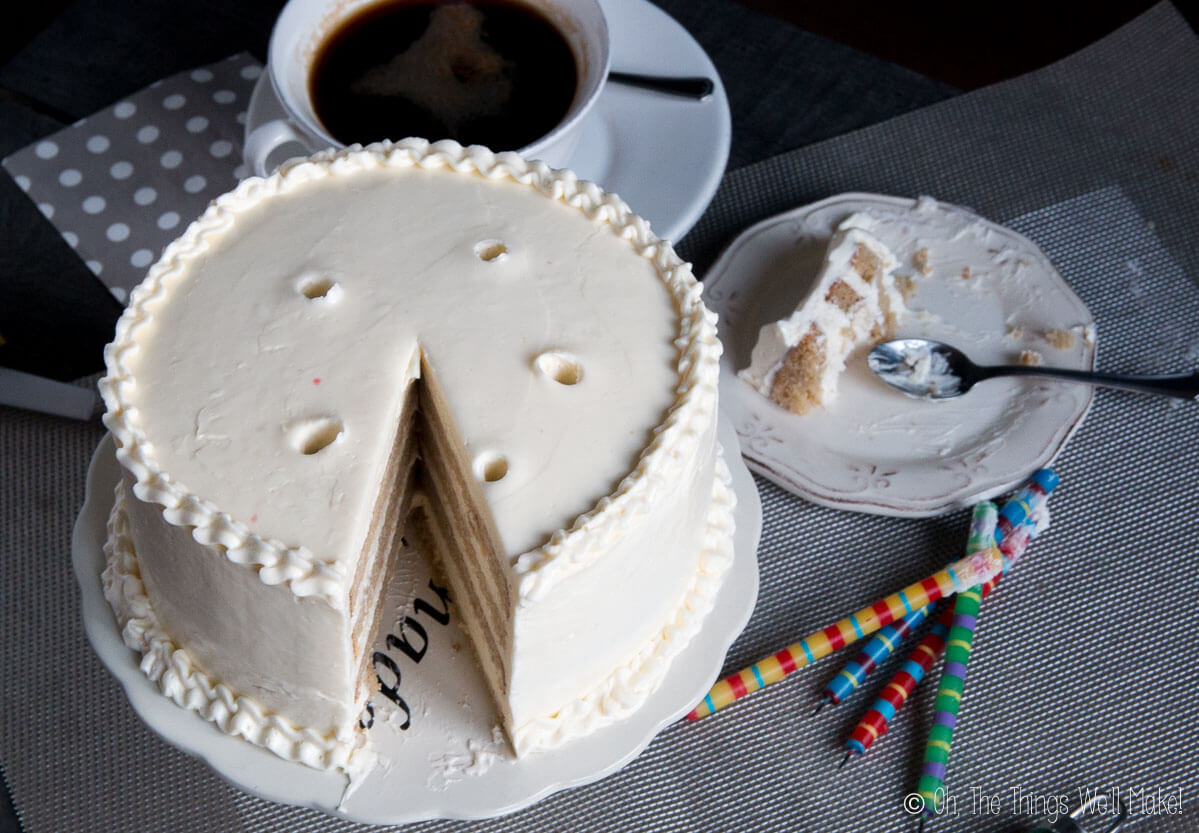
Easy Buttercream Frosting: Achieve Swiss Meringue Perfection Without the Fuss
Imagine a buttercream frosting that’s luxuriously smooth, incredibly creamy, and perfectly balanced in sweetness – a dream come true for any baker. Now imagine achieving that professional, less-sweet taste, reminiscent of labor-intensive Swiss meringue buttercream, without any of the daunting steps like heating egg whites over a double boiler or waiting for mixtures to cool. This isn't just a fantasy; it's the reality of
this easy buttercream frosting recipe, a game-changer that promises gourmet results with minimal effort. Forget the overly sugary, grainy frostings of the past, and wave goodbye to expensive, often disappointing store-bought tubs. This recipe is your ticket to homemade buttercream nirvana, perfect for everything from delicate piping work to robust cake coverings, and even as a smooth base under fondant. It's the kind of frosting that makes clients rave and elevates your home baking to an art form, proving that truly exquisite desserts are within everyone's reach.
The Secret Behind the Swiss Meringue Experience (Without the Fuss)
Many home bakers dream of achieving the silky, less-sweet texture of Swiss Meringue Buttercream (SMBC) but are intimidated by the traditional process involving careful temperature control and whipping egg whites into a stable meringue. This easy buttercream frosting offers an ingenious shortcut, delivering nearly identical results in taste and texture without any of the meringue-making drama. The magic lies in a single, readily available ingredient: pasteurized egg whites.
Unpacking the Magic of Pasteurized Egg Whites
Traditionally, egg whites are heated with sugar to kill bacteria and create a safe, stable meringue base. This forms the foundation for many classic buttercreams, allowing for a lighter, fluffier, and significantly less sweet frosting compared to powdered sugar-heavy American buttercreams. The revolutionary aspect of this easy buttercream recipe is the use of pasteurized liquid egg whites, typically found in a carton in your grocery store's refrigerated egg section. Because these egg whites have already undergone a gentle heating process to eliminate pathogens, they are safe to consume without further cooking. This means you can bypass the entire "heating over a double boiler, whipping to stiff peaks, and cooling completely" saga. Simply combine them with powdered sugar, and you're halfway to a professional-grade frosting that tastes remarkably similar to its more complex cousin.
The Less-Sweet Revolution
One of the most common complaints about homemade buttercream is its excessive sweetness. This often stems from recipes that rely solely on butter and powdered sugar for structure. However, just like traditional meringue-based buttercreams, incorporating egg whites (even pasteurized ones) into your frosting allows you to drastically reduce the amount of sugar needed. The whipped egg whites contribute volume and stability, resulting in a buttercream that is light, airy, and truly allows the rich butter flavor and any additional extracts to shine through. This balance transforms your desserts, making them feel more sophisticated and enjoyable, without that cloying sweetness that can overwhelm the palate. It's a fundamental shift that can transform your baking and make you wonder why you ever settled for anything less. For more insights into achieving this delicate balance, read
The Pro's Secret: Less Sweet, Smooth Buttercream You Can Master.
Essential Ingredients for Your Best Easy Buttercream
While the method is simplified, the quality of your ingredients remains paramount to achieving the best possible easy buttercream frosting. Each component plays a crucial role in creating that desired smooth texture and exquisite flavor profile.
Butter: Unsalted is Best, But Options Exist
The cornerstone of any good buttercream is, of course, butter. For this recipe, unsalted butter is highly recommended. It provides a clean, rich flavor and allows you to control the overall saltiness of your frosting. Aim for good quality butter, as its flavor will be prominent in the finished product. The butter should be softened to cool room temperature – firm enough to hold its shape but pliable when pressed. If your butter is too cold, it won't emulsify properly with the other ingredients, leading to a lumpy or curdled appearance. If you only have salted butter on hand, don't despair! You can still make this buttercream. To prevent it from becoming overly salty, a clever trick is to use half salted butter and half vegetable shortening. The shortening will dilute the saltiness while maintaining a smooth texture. You can also experiment with plant-based butters for a dairy-free alternative, though results may vary slightly in texture and taste.
Powdered Sugar, Salt, and Flavor: The Perfect Balance
Beyond the butter and pasteurized egg whites, the remaining ingredients fine-tune the flavor and consistency. Powdered sugar (also known as confectioners' sugar) provides sweetness and contributes to the smooth texture, as its fine grind dissolves easily. A pinch of salt is crucial – it doesn't make the frosting salty but rather balances the sweetness and enhances all the other flavors, much like it does in any baking recipe. Finally, vanilla extract is the classic choice, providing a warm, comforting aroma and taste. For an even more intense vanilla presence, consider using vanilla bean paste. Don't be afraid to experiment with other extracts like almond, lemon, or peppermint to customize your frosting for different occasions and dessert pairings. A good quality extract can truly elevate your buttercream.
Mastering the Easy Buttercream Method: Step-by-Step Success
Making this easy buttercream frosting is straightforward, but understanding the few key steps ensures a perfect batch every time. The process is designed to be user-friendly, even for novice bakers.
Mixing for Perfection: Beyond Just Combining
Begin by placing your pasteurized liquid egg whites and powdered sugar in the bowl of a stand mixer fitted with the whisk attachment. Start mixing on low speed to gently combine the ingredients, preventing a cloud of powdered sugar from escaping. Once loosely combined, increase the speed to high and whip for about 1 to 2 minutes. The goal here isn't to create a meringue, but rather to ensure the powdered sugar fully dissolves into the egg whites, creating a smooth, sugary liquid base. Next, reduce the speed to low and add your salt and vanilla extract. With the mixer still on low, gradually add your softened butter in chunks. This allows the butter to slowly incorporate without shocking the mixture. Once all the butter is added, increase the mixer speed to high and whip vigorously. This high-speed whipping is crucial for emulsifying the butter and egg white mixture, transforming it into a light, fluffy, and creamy buttercream. Continue whipping until the frosting is visibly smooth, pale, and holds soft peaks. This usually takes several minutes.
Troubleshooting Tips: Conquering Common Challenges
Even with an "easy" recipe, sometimes things don't go exactly as planned. The most common hiccup you might encounter with this buttercream is a slightly curdled appearance or a "cold rim" of butter forming around the edge of the bowl, especially if your pasteurized egg whites were very cold from the fridge. This is entirely normal and incredibly simple to fix. Stop your mixer and scoop out about a third to half a cup of the seemingly separated buttercream. Place this portion in a microwave-safe bowl and heat it for about 15-20 seconds, or just until it's barely melted and warm, but not hot. The goal is to gently warm it, not cook it. Pour this slightly warmed mixture back into your main batch of buttercream in the stand mixer. Resume whipping on high speed. The warmth from the melted buttercream will help the rest of the mixture come together, emulsifying perfectly into a smooth, luxurious frosting within a minute or two. Don't be afraid to keep whipping; sometimes it just needs a little more time to come together beautifully.
Elevate Your Creations: Versatility and Flavor Adventures
This easy buttercream frosting isn't just simple to make; it's incredibly versatile, opening up a world of creative possibilities for your baking projects. Its stable yet smooth texture makes it a favorite among professional bakers and home enthusiasts alike.
From Piping to Under-Fondant: Endless Applications
One of the standout features of this easy buttercream is its adaptability. Its smooth, creamy consistency makes it ideal for intricate piping work. Whether you're decorating cupcakes with elegant swirls, creating delicate rosettes on a cake, or crafting elaborate borders, this frosting holds its shape beautifully. It's also sturdy enough to be used as a crumb coat and final layer under fondant, providing a perfectly smooth canvas without cracking or breaking down. This dual functionality saves you time and effort, as you don't need separate recipes for different decorating needs. You can even adjust its consistency slightly by adding a tiny bit more powdered sugar for a stiffer piping consistency, or a tablespoon of milk or cream for a softer, spreadable glaze.
Flavor Beyond Vanilla: Customizing Your Frosting
While classic vanilla is always a winner, this easy buttercream is a fantastic blank slate for countless flavor variations. After your basic vanilla buttercream is complete, the flavor possibilities are limited only by your imagination. Consider adding:
- Citrus Zest: Lemon, orange, or lime zest for a bright, fresh flavor.
- Coffee: Dissolve instant espresso powder in a tiny amount of hot water, then cool and add to the frosting.
- Chocolate: Melted and cooled high-quality chocolate, or sifted cocoa powder, can be incorporated for a rich chocolate buttercream.
- Fruit Purees: Reduced and cooled fruit purees (raspberry, strawberry) for natural fruit flavors and subtle color.
- Nut Butters: Peanut butter, almond butter, or Biscoff spread for a decadent, nutty twist.
- Extracts: Beyond vanilla, explore almond, mint, coconut, or rum extracts for unique profiles.
- Spices: A touch of cinnamon, nutmeg, or pumpkin spice for seasonal treats.
To color your buttercream, use gel food coloring for vibrant hues without thinning the frosting. Add a tiny drop at a time until you achieve your desired shade. Remember to taste and adjust as you go, ensuring your flavored buttercream perfectly complements your cake or cookie base.
Conclusion
Gone are the days when achieving professional-grade buttercream meant sacrificing precious time or settling for overly sweet alternatives. This easy buttercream frosting delivers the sophisticated taste and velvety texture of Swiss meringue buttercream with an unbelievably simplified process, making it accessible to every home baker. Its versatility for piping, covering, and flavoring ensures it will quickly become your go-to recipe for cakes, cupcakes, and cookies. By embracing pasteurized egg whites and a few simple steps, you're not just making frosting; you're unlocking a new level of confidence and creativity in your baking. Say goodbye to store-bought and complicated recipes, and hello to the easiest, most delicious buttercream you'll ever make.